


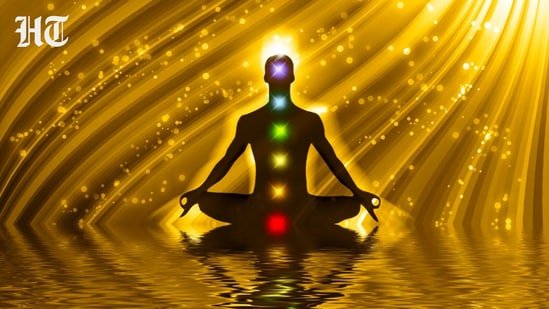
When you hear the word chakra, you probably think of energy centres in the body. But chakras are believed to be much more than that. The word comes from Sanskrit and means ‘wheel’ or ‘disk.’ In spiritual traditions, chakras are seen as spinning centres of life-force energy, also called prana. When these energy centres are balanced, they are believed to support your physical, emotional, and spiritual well-being.
Here are six things about chakras that many people do not know, as shared by Janika Galloway.
1. Your chakras are connected to real organs, not just energy
Many people think chakras are only spiritual concepts, but each one is also linked to different parts of the body.
- The solar plexus chakra is connected to the pancreas and digestion
- The sacral chakra is linked to the reproductive organs and creative energy
- The root chakra connects with the kidneys and adrenal glands, which are tied to your survival response
This is why some people believe that when your energy feels out of balance, your body may notice it before your mind fully understands what is going on.
2. Each chakra is linked to planetary energy
In some spiritual practices, chakras are also connected to planetary influences.
- The heart chakra is associated with Venus, the planet connected to love, relationships, and receiving
- The throat chakra is linked to Mercury, which represents communication, truth, and self-expression
Because of this, some people believe that planetary movements can affect emotions, energy levels, and how we respond to situations.
ALSO READ: What is Zen meditation, and how can it help you?
3. Your chakras can influence the choices you make
Chakras are often described as emotional and energetic filters. When a chakra feels blocked, you may find yourself choosing safer or smaller paths out of fear or self-doubt. When your energy feels balanced, decisions come more naturally, and you may feel more confident in trusting yourself.
4. Every chakra carries the energy of an element
Each chakra is connected to one of the natural elements.
- The root chakra is linked to Earth and represents stability and safety
- The sacral chakra is connected to water and represents emotions, creativity, and flow
Some people use these elements in grounding practices. For example, spending time in nature may help with feelings of instability, while being around water may help when emotions feel heavy or stuck.
5. A chakra can become overactive too
People often focus on opening chakras, but balance matters just as much.
- An overactive heart chakra may lead to overgiving or struggling with boundaries
- An overactive throat chakra may show up as oversharing instead of healthy communication
The goal is not to have more energy all the time. It is about balance, awareness, and regulation.
ALSO READ: 7 chakras in your body and how you can use them to manifest
6. Your chakras develop in different stages of life
According to chakra teachings, different chakras become important during different phases of life.
- The root chakra develops in early childhood and relates to safety and security
- The sacral chakra becomes active in the early years and shapes the emotional world
- The solar plexus chakra is linked to the teenage years, identity, confidence, and self-worth
Many people believe that early life experiences can affect how these energy centres function later in life.
