
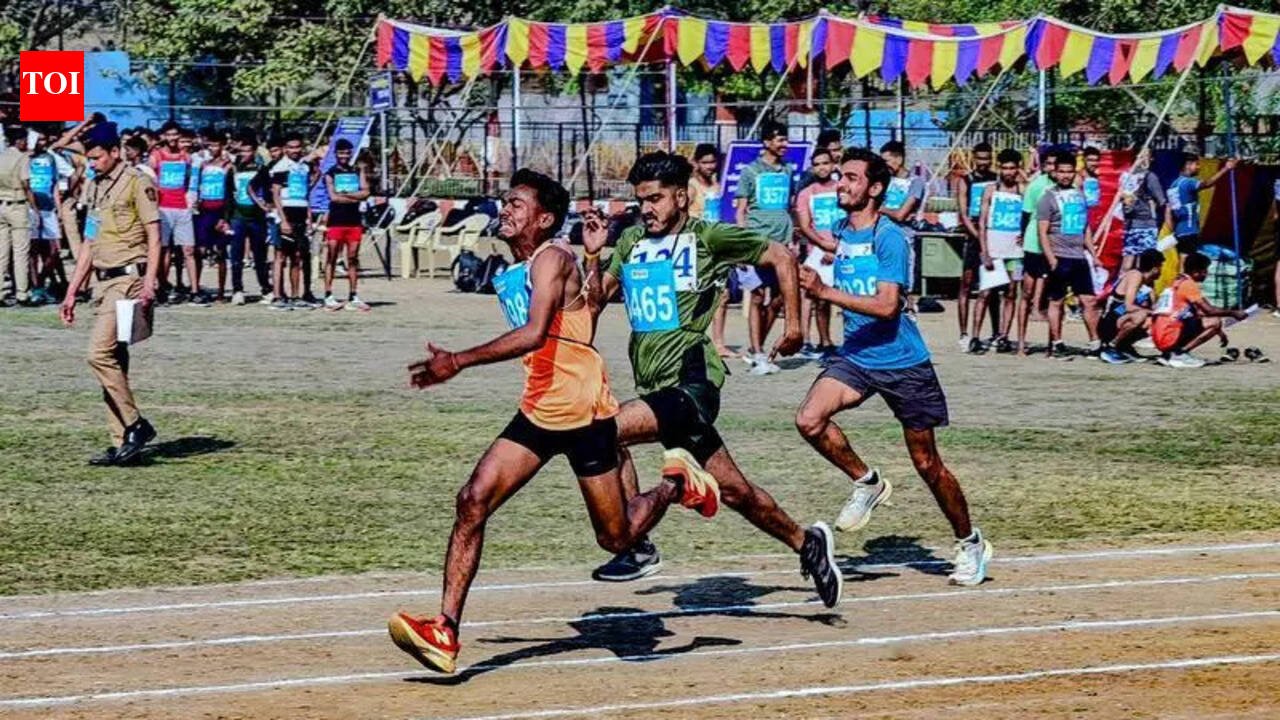
Deputy commissioner of police (Headquarters) Deepak Aggrawal, who is leading the recruitment drive under CP Ravinder Singal and Jt CP Navinchandra Reddy, called it a positive trend. “This is a very good sign that many educated people are coming forward to work for the police department. The education level of our force keeps rising every year. After training, we will seek their preferences and utilise their skills in the best possible manner,” Agrawal told The Times of India. Standout participants include 4 MTech holders, 329 BE degree holders (including 62 women and one female mechanical engineer), 3 LLMs (2 women) among 10 law graduates, and one male BDS (Bachelor of Dental Surgery) graduate. Also, there are 171 BTech graduates (32 women), 127 MBAs (38 women), and two female fashion designers.The overall tally shows there are 9,775 graduates and 1,729 post-graduates, including 311 MCom, 801 MA, 4,741 BA, 17 MCA, around 1,500 BSc, 175 BSc Agriculture, 11 hotel management and catering management degree holders. There is one participant each from folk art and mass media. Sources said the remaining 24,718 applicants hold HSC qualifications.“This mirrors a national trend where govt job security trumps private risks for India’s youth,” said an official.A constable draws a fixed salary with increments, govt accommodation or HRA, family medical coverage, pension, with chances of promotion to sub-inspector/inspector level via exams — perks that outshine the uncertainty in many private jobs.Physical tests are being held at the police headquarters ground in Takli, with men required to clear a 1,600 m run, 100 m sprint, shot put, and height/chest norms, while women complete an 800 m run plus standards. A written exam follows.Transgender Post-Graduate Among Aspirants Among the 36,222 applicants is a transgender candidate holding an MCom degree. This post-graduate aspirant stands out in the highly-educated pool, signalling growing diversity in govt job pursuits. The officials view this as a progressive change, aligning with broader efforts to make policing more representative. “Such applications reflect societal shifts and enrich the force with varied perspectives,” a senior official said.
